01FRAME Intervention — Heart Health and Mental Well-Being
This resource aims to support patients, caregivers, and healthcare providers in improving the awareness, recognition, discussion, and management of mental health among individuals living with a heart condition.
- FFoundation — Build your understanding of the connection between heart health and mental well-being.
- RRecognition — Identify early signs and risk factors for emotional distress, depression, anxiety and stress.
- AAwareness — Understand how your heart health can affect mood, relationships, identity, and quality of life.
- MManagement — Learn and apply self-management strategies to care for your brain and heart health.
- EEngagement — Connect patients and caregivers with community resources and support preventative practices.





02Riley's Story: Managing Your Heart Health and Mental Well-Being

When Riley was first diagnosed with heart failure, it felt like the ground shifted beneath them. Life had already been full of responsibilities, family, and career but suddenly, everything became uncertain. It wasn't just about surviving physically; it was about coping emotionally with a diagnosis that would never fully go away.
Emotionally, the uncertainty and stress were a part of it.
Even though Riley was receiving treatment for the physical aspects of heart failure, the emotional side often felt invisible. Conversations with doctors focused mainly on medications, diet, and physical health, but rarely on mental health.
It was through a peer support group that Riley began noticing that their emotional well-being needed just as much attention as their physical health. Finding ways to self-manage and meeting peers were helpful in taking the next steps forward.
*These hypothetical testimonials are composites created using real quotes from individuals living with heart failure in Eastern Ontario, collected between July and November 2024. They are designed to reflect common experiences while protecting individual privacy.
03Common Myths About Heart Health and Mental Health
"Mental health has nothing to do with your heart."
Mental health is deeply connected to heart health. Stress, anxiety, and depression can impact physical symptoms, recovery, and overall quality of life1,2.
"You only need to take care of your mental health if you have a mental health condition."
Everyone can benefit from taking active steps to promote their well-being and improve their mental health3,4. Just like maintaining physical health, proactive mental health care is important for everyone.
"If I don't feel sad all the time, I must be fine."
Mental health concerns can show up as fatigue, irritability, sleep problems, or feeling numb — not just sadness5. It's important to notice all emotional changes, not just extreme sadness.
"A mental health condition is a sign of weakness; if the person were stronger, they wouldn't have this condition."
Mental health challenges and conditions has nothing to do with being weak or lacking willpower6. It is not a condition people choose to have or not have. In fact, recognizing the need to accept help for a mental health condition requires great strength and courage. Anyone can develop a mental health condition.
"It's obvious when someone has a mental illness."
Mental health issues is often invisible6. Even in new or untreated mental illness, many people are good at hiding their symptoms, because of stigma, self-stigma and discrimination.
04Heart Failure and Mental Health are Interconnected
What is Heart Failure?
Heart failure happens when the heart cannot pump blood as well as it should. This does not mean the heart has stopped working, but it does mean the body may not be getting enough oxygen and nutrients7. Symptoms can include shortness of breath, fatigue, swelling, and trouble with daily activities.
While heart failure is a long-term condition, with the right treatment and support, many people can manage it and live well.
Why Mental Health Matters
Living with heart failure can affect how you feel emotionally. Many people experience depression, anxiety, or stress8,9. This can impact your overall well-being and daily life.
Depression in heart failure patients is associated with poorer medication adherence, increased hospitalizations, and higher mortality rates10,11.
Taking care of your mental health can help you live more fully and happily with heart failure.
05Depression
This information was adapted from (1) Heart and Stroke Foundation. Heart failure resources. https://www.heartandstroke.ca/heart-disease/conditions/heart-failure-resources (2) University of Ottawa Heart Institute (2024). Heart Failure: A guide for patients and caregivers. https://www.ottawaheart.ca/sites/default/files/documents/heart-failure-a-guide-for-patients-and-caregivers-2024.pdf
What is depression?
It is a medical condition where a person feels sad, loses interest in daily activities, withdraws from people, and feels hopeless about the future. Depression is different from grief, sadness related to an event, or low energy.
How can depression affect heart failure?
Depression can make your heart failure worse. If you are depressed, you will find it harder to do the things you need to do to manage your heart failure such as exercising, eating well, limiting fluids, and taking your medicines as directed.
What causes depression?
Depression may be caused by one factor or a number of factors. Some factors that might cause depression include:
- An imbalance in the natural chemicals in the brain
- A heart condition
- A chronic health condition such as anemia or hypothyroidism
- Using too much alcohol or drugs
- Family history of depression
- Difficult life events such as:
- Death of a loved one
- Divorce
- Loss of a job
- Childbirth
Depression self-assessment
Over the last two weeks, how much have I been bothered by feeling sad, down, or uninterested in life?
Depression is not caused by a personal weakness. Sometimes when people feel very depressed and overwhelmed, they might have thoughts of self-harm or feel like giving up.
If you have started to make a plan to hurt yourself, here are things you can do:
- Go to your nearest emergency room
- Reach out to a crisis line, such as Talk Suicide Canada at 1-833-456-4566 or text 45645
- Connect with a trusted support person (e.g., a friend, family member, or anyone you trust to help).
06Stress
What is stress?
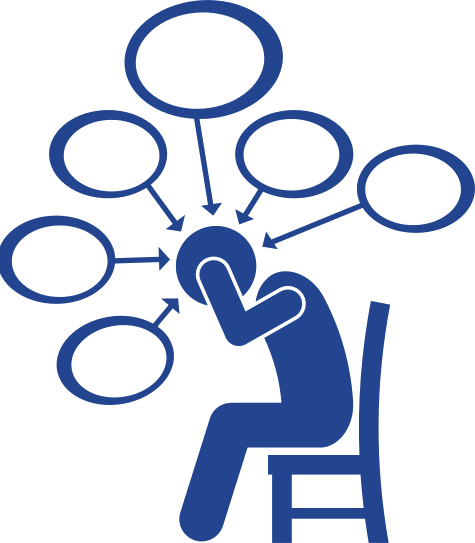
Stress is your body's reaction to an event or situation (real or imagined). Stress is not so much what happens to you, but how you respond to a situation or event. Too much stress is hard on your mind, body, and especially your heart. While stress is a part of everyday life, too much stress increases a person's chances of getting or worsening heart disease.
How can stress affect your heart failure?
Chronic stress can increase your heart rate and blood pressure, putting extra strain on your heart. It can increase your blood pressure, cholesterol and increase your risk of heart attack or stroke. It can also make it harder to sleep, eat well, or stick to treatment routines. All of these can worsen heart failure symptoms. Over time, unmanaged stress can lead to inflammation and contribute to the progression of heart disease.
What are stressors?
- Having a new diagnosis of heart failure
- Limits in physical ability
- Experiencing chronic pain
- Dealing with a number of health conditions
- Conflict in a relationship
- Being isolated from friends and family
- Dealing with the death or illness of a loved one
- Changes at work
- Money worries
Effects of stress
Thinking
- Trouble concentrating, short attention span, easily distracted
- Poor judgment
- Lapse in memory
- Difficulty making simple decisions
- Brooding over problems
- Imagining the worst
- Confusion
Behaviour
- Crying
- Fidgeting, and pacing
- Having more arguments
- Drinking more coffee, tea, soda
- Withdrawing from others
- Overeating or loss of appetite
- Smoking
- Drinking alcohol
- Sexual difficulties
Body
- Headache
- Knots in your stomach, feeling sick to your stomach
- Restlessness
- Sweating
- Increased heart rate and blood pressure
- Rapid, shallow breathing
- Muscle tension in jaw, neck, or shoulders
- Tremors in hands or legs
- Tingling or numbness in fingertips
- Trouble sleeping, feeling tired all the time
Emotions
- Feeling helpless and frustrated
- Feeling overwhelmed by your life
- Feeling anxious, or worried
- Feeling irritable, hostile, or angry
- Feeling down, depressed, or hopeless
Stress self-assessment
Over the last two weeks, how much have I been bothered by feeling anxious, worried, nervous, or tense?
07Anxiety

What is anxiety?
Everyone experiences anxiety at times. It is our body's natural response to a threat (sometimes called the ‘fight-flight-freeze’ response). Our body releases adrenaline in response to a real danger or to something that feels threatening or dangerous. Our heart rate increases and blood shifts to our large muscles.
Normally, anxiety goes away once the threat is gone. Anxiety becomes a problem when a person continues to have worrying thoughts or reacts as if there is a danger even when the situation may not actually be threatening.
How can anxiety affect your heart failure?
- The increased heart rate and blood pressure adds stress on your heart. Anxiety needs energy.
- Anxiety can increase your blood sugar and cholesterol. Both can make your heart failure worse.
- Anxiety can make it hard to sleep, leaving you feeling more tired.
What causes anxiety?
It is different for every person. Any number of situations can cause you to feel anxious, worried, or tense. There are things that can make your anxiety response worse:
- Medical conditions such as thyroid problems, heart or lung problems, seizure disorders
- Stopping certain medicines on your own (without your doctor knowing)
- Being dependent on or addicted to alcohol, cocaine, amphetamines, tranquilizers, or heroin
- Always telling yourself the worst will happen
You are more likely to feel anxiety if:
- You have a family history of problems with anxiety
- You have an imbalance of certain chemicals in your brain
What might happen if you have too much anxiety?
Many people do not recognize what they are feeling as being signs of anxiety. Anxiety can affect your body, your thoughts, and your behaviour.
Possible body responses
- Fast, pounding heart
- Rapid breathing, shortness of breath
- Chest pain or discomfort
- Sweating
- Feeling dizzy or lightheaded
- Dry mouth
- Nausea, stomach upset
- Pale skin (can appear lighter due to reduced blood flow)
- Muscle tension
- Trembling, shaking
- Numbness and tingling
- Hot or cold flashes
Possible thoughts
- Having frightening dreams or thoughts
- Overestimating the chances something bad will happen
- Magnifying how bad the situation is or how bad a future situation will be
- Not believing you can cope
- Having trouble concentrating or making decisions
Effects on emotions & behaviour
- Changes in alcohol or drug use due to emotional distress
- Needing others to reassure you all the time
- Needing to be with a 'safe' person
- Staying away from certain places, activities, or people
Anxiety self-assessment
Over the last two weeks, how much have I been bothered by feeling anxious, worried, nervous, or tense?
08Conversational Supports

When you're living with a heart condition, it's easy to focus only on physical symptoms. But mental and emotional well-being are just as important as they affect how you feel day to day and your overall quality of life.
If you're noticing changes in your mood, energy, or stress levels, you're not alone and you're not doing anything wrong. Many people with heart issues experience emotional ups and downs. Talking about it, even in small ways, can help you feel more supported and connected. These conversation-starters are here to make that easier.
Talking to Your Healthcare Provider
Your provider is there to support every part of your health, including your emotional wellbeing. These simple phrases can help you begin the conversation:
- "Lately, I've been feeling more stressed or down than usual. I wanted to mention it today."
- "I'm not sure if this is related to my heart condition, but I've been feeling overwhelmed."
- "I've been feeling off and not quite myself, and I think it's more than just physical symptoms."
- "I've noticed I'm not enjoying things like I used to. Could this be something to look into?"
- "I've been more anxious or on edge lately, and it's starting to wear me down."
- "I've been managing my heart failure, but emotionally I'm finding it harder than I expected."
Before your visit, take a moment to reflect: How long have you been feeling this way? Has anything made it better or worse?
Talking to a Loved One, Caregiver, or Family Member
It can be hard to talk about mental and emotional health, especially with people close to you. These openers can help you share what you're experiencing in a way that feels right for you:
- "I've been feeling different lately, not just physically, but emotionally too."
- "Can I share something that's been on my mind? I think it might help to talk."
- "Would you be open to helping me figure out how to bring this up with my doctor?"
- "This is a little hard to say, but I've been feeling down/stressed/anxious/worried more often. Would you be okay listening for a minute?"
- "I think stress and worry are starting to take a toll on me. I'm not looking for solutions, just someone to hear me out. Can we talk about it?"
- "Have you noticed any changes in me lately? I'm starting to wonder if something more is going on emotionally."
Think about what you want to share: How long have you been feeling this way? What kind of support would feel helpful?
09Resources to Track Your Well-Being
Self-Assessment Scales
Use the depression, stress, and anxiety self-assessment sliders on this page to track your emotional well-being over time.
Start assessment ↑My Heart Failure Diary
Resources to track heart failure care. Track your weight, blood pressure, symptoms, and emotional well-being daily with My Heart Failure Diary from the Canadian Heart Failure Society (2020).
Download diary (PDF) →24/7 Crisis Line
- Talk Suicide Canada: 1-833-456-4566 | Text: 45645
- Distress Centre Ottawa: 613-238-3311
10Frequently Asked Questions
References
- Borkowski, P., & Borkowska, N. (2024). Understanding Mental Health Challenges in Cardiovascular Care. Cureus, 16(2), e54402. https://doi.org/10.7759/CUREUS.54402
- Bahall, M., Legall, G., & Khan, K. (2020). Quality of life among patients with cardiac disease: The impact of comorbid depression. Health and Quality of Life Outcomes, 18(1). https://doi.org/10.1186/S12955-020-01433-W
- UNICEF. (n.d.). Busted: 7 myths about mental health. Retrieved May 13, 2025, from https://www.unicef.org/parenting/health/busted-7-myths-about-mental-health
- Sinclair, J. M. A., & Patel, M. X. (2012). No health without mental health: core competencies for all doctors. Medicine, 40(11), 567. https://doi.org/10.1016/J.MPMED.2012.08.004
- American Psychiatric Association. (2022). Warning Signs of Mental Illness. https://www.psychiatry.org/patients-families/warning-signs-of-mental-illness
- Mental Health Commission of Canada. (2023). Fact Sheet: Common Mental Health Myths and Misconceptions. https://mentalhealthcommission.ca/resource/fact-sheet-common-mental-health-myths-and-misconceptions/
- University of Ottawa Heart Institute. (2024). Heart Failure: A guide for patients and caregivers. https://www.ottawaheart.ca/sites/default/files/documents/heart-failure-a-guide-for-patients-and-caregivers-2024.pdf
- Rashid, S., Gulfam, A., Noor, T. A., Yaseen, K., Sheikh, M. A. A., Malik, M., & Malik, J. (2023). Anxiety and Depression in Heart Failure: An Updated Review. Current Problems in Cardiology, 48(11). Elsevier Inc. https://doi.org/10.1016/j.cpcardiol.2023.101987
- Henein, M. Y., Vancheri, S., Longo, G., & Vancheri, F. (2022). The Impact of Mental Stress on Cardiovascular Health—Part II. Journal of Clinical Medicine, 11(15). MDPI. https://doi.org/10.3390/jcm11154405
- Veskovic, J., Cvetkovic, M., Tahirovic, E., Zdravkovic, M., Apostolovic, S., Kosevic, D., Loncar, G., Obradovic, D., … & Düngen, H. D. (2023). Depression, anxiety, and quality of life as predictors of rehospitalization in patients with chronic heart failure. BMC Cardiovascular Disorders, 23(1). https://doi.org/10.1186/s12872-023-03500-8
- Carmin, C. N., Ownby, R. L., Fontanella, C., Steelesmith, D., & Binkley, P. F. (2024). Impact of Mental Health Treatment on Outcomes in Patients With Heart Failure and Ischemic Heart Disease. Journal of the American Heart Association, 13(7). https://doi.org/10.1161/JAHA.123.031117
- Heart and Stroke Foundation. Heart failure resources. https://www.heartandstroke.ca/heart-disease/conditions/heart-failure-resources
- Canadian Heart Failure Society. (2020). My Heart Failure Diary. https://heartfailure.ca/sites/default/files/2020_chfs_order_set_collabcare_patient_diary_0.pdf