Introduction to Mental Wellbeing and Heart Failure
 Introduction to Mental Wellbeing and Heart Failure
Living with heart failure is not easy. One day, things are business as usual; the next day, you have a life-changing diagnosis. Suddenly, you have much more to worry about: doctor’s appointments, taking medication on time, paying attention to what you eat, and trying to exercise.
This can take a toll on your mental well-being.
With so much going on, it’s no surprise that people living with heart failure often feel anxious or sad1. The good news is that doctors and researchers have learned a lot about how the heart and the brain are connected2. This guide will help you learn about that connection and give you simple ways to feel better every day.
“I’ve always taken care of other people. I’ve always put them before me [...] It was only after I went to the hospital [...] that it really hit me. It’s like, okay, you’ve done your share. Now it’s time to take care of you.”
-Adult with Heart Failure, Ontario
Relaxation Techniques

The Mind-Brain-Heart Connection
The Heart and Stroke Foundation of Canada tells us that the mind, heart, and body are connected10. This means that your mental health can influence your heart failure2,10. Experiencing high levels of stress can harm your brain and your heart.

Stress Management
Stress can also make it hard to follow your doctor’s advice or take your medication on time. Both of these things are very important when living with heart failure2,5. This is why managing your stress is important. Engaging in activities that promote relaxation helps us let go of stress and improve our health.
People living with heart failure who found ways to manage their stress had lower depression and stress scores3.

In this guide, you will learn a few ways to do this. What one person finds relaxing may not be enjoyable for someone else. This is okay because everyone is different. In this section, learn and explore what works for you.
Progressive Muscle Relaxation
Progressive means going slowly, one step at a time. In progressive muscle relaxation, we can let go of the stress our body is holding by focusing on one body part at a time. We do this by slowly tensing and then relaxing different muscle groups, starting at the top of our head and then going all the way down to our toes.
Breathing Exercises
Breathing exercises are patterns of moving air in and out of your body in a way that helps the body and the mind feel calm and relaxed. When you’re focusing on following the breathing pattern, your mind lets go of thoughts that can make you feel worried or stressed. As your mind gets cleared, you’re able to live in the present moment.
Visualization
Visualization, also known as guided imagery, is a practice of imagining that you’re in a place where you feel safe and happy. When we see these positive images in our mind, our body thinks they are really happening. This helps us feel calm and relaxed.
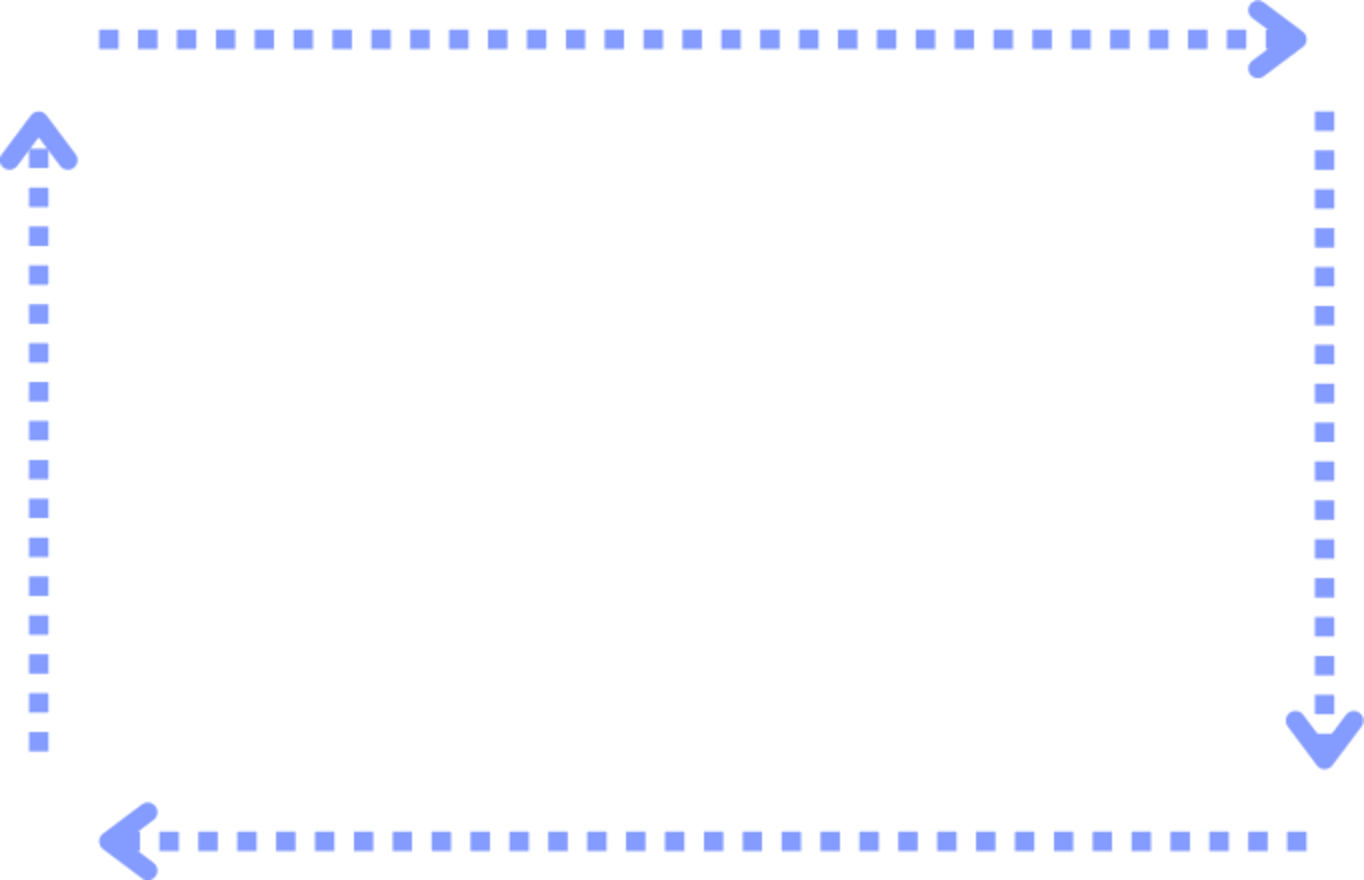
Box Breathing
- Inhale slowly through your nose for a count of 4.
- Hold your breath for a count of 4.
- Exhale slowly through your nose for a count of 4.
- Hold again for a count of 4.
- Repeat this cycle as many times as you’d like, keeping your breaths slow and steady.
Imagine drawing a square in your mind as you do this exercise. Draw one line of the square each time you breath in, hold your breath, and breath out.
Hand-on-Heart Relaxation for Feelings of Safety
- Place one hand on your heart and the other on your belly. Notice how the rise and fall of your chest and belly feels on your hands.
- Next, in your mind, tell yourself positive affirmations like “I am safe”, “I am strong”, “I am right where I’m supposed to be”.
Deep Belly Breathing
Studies show that deep belly breathing helps the heart and lungs of people with heart failure work better12.
- Get Comfortable: Sit up in a comfortable position with your back supported.
- Position your Hands: Put one hand in the centre of your chest and the other on your belly, right over your belly button.
- Breath In: Take a deep breath in through your nose. Imagine you’re sending the air down to your belly so it expands outward. You should feel the hand on your belly rise. Hold your breath for a few seconds.
- Exhale: Slowly exhale through pursed lips (like you’re blowing out a candle). As you breathe out, gently pull your belly back in. You should feel the hand on your belly lower as the air leaves your body.
- Repeat: Continue breathing for a rounds. Try making your breaths slow and steady.
Visualization for Relaxation
- Sit or lie down in a position where you feel relaxed and supported.
- Close your eyes and take a few slow, natural breaths, in and out, without trying to change your breathing.
- Picture something that brings you peace or joy. This could be the face of a loved one or pet, a calming place like a beach or garden, or even yourself achieving something meaningful.
Try to fully immerse yourself in the scene: what do you see, hear, smell, or feel? The more vivid the image, the more relaxing it can be.
People with heart failure who learn relaxation and visualization skills experience a boost in their quality of life9. Learning these skills also helps with depression and physical mobility9.
Progressive Muscle Relaxation
Breathing exercises and progressive muscle relaxation are two ways to de-stress. For people living with heart failure, it can lower anxiety and make breathing easier3. These practices can also boost quality of life.
- Get Comfortable: Find a quiet, comfortable spot where you feel safe. You can sit or lie down.
- Tense Your Muscles: Start with a muscle group near the top of your body. Take a deep breath in and tighten those muscles as much as feels comfortable. Hold that tension for about 5 to 10 seconds. For example, if you’re tensing your shoulders, try lifting them up like you’re trying to touch your ears.
- Relax and Let Go: As you breathe out, let all the tension go. Let your muscles completely relax and notice how that feels. Stay in this relaxed state for 15 to 20 seconds.
- Repeat Throughout Your Body: Keep going, one muscle group at a time, working your way down your body; chest, arms, hands, stomach, legs, and feet. After you’ve gone through all the muscle groups, take a few quiet moments to enjoy how relaxed you feel.
Remember to contract your muscle groups in a way that you’re comfortable with. Focus on your safety and what feels good. If something becomes painful, stop right away.
Meditation and Mindfulness
 Meditation and Mindfulness
In today’s fast-paced world, our attention is pulled in many directions. Life can feel like “go, go, go” with no time to pause and breathe, scattering our thoughts and causing stress.
By reducing the constant flow of thoughts that often overwhelm us, meditation helps release stress and get us out of our heads. This helps us focus more on the life happening around us right now2.
This is where meditation, also known as mindfulness, comes in. Meditation clears and calms the mind. It does this by moving our attention from the outside world to ourselves12.
“I also think it is a lot of mind over matter. You have to do a lot of mindfulness, as I call it [.....] I think that helps you to just not sit and think so much about your health and what’s going on. So it’s about finding a path that works for you, right?”
-Adult with Heart Failure, Ontario
Meditation and stress management techniques can help lower depression and anxiety, reduce heart failure symptoms, and improve exercise ability and quality of life4,5.
There are many ways to meditate. Meditation is a practice that is different for everyone. In this guide, you will learn about a few different seated meditation techniques.
All seated meditations begin in the same way: Find a quiet and safe space where you can sit or lie down comfortably with your eyes closed. You can choose how long you’d like to meditate for. Try starting at 5 minutes.
For beginners, sitting in silence and becoming aware of our feelings can feel uncomfortable. This is normal; we aren’t used to being alone with our emotions. With time, meditation helps us accept our thoughts instead of trying to change them. This allows us to center ourselves and find balance amid daily chaos.

Types of Seated Meditations
Mindfulness Meditation
A meditation practice that places focus the breath. Once your eyes are closed, focus on the inflow and outflow of your breath. Anytime you notice your mind wandering, gently bring your attention back to your breath, and to the rise and fall of your chest.
Mantra Meditation
A meditation practice that uses the mental repetition of a mantra (a word, sound, or phrase). For this meditation, you need to select a mantra. Close your eyes and mentally repeat your mantra as you breathe in and out. When your mind drifts, return your focus to your chosen mantra.
- I am full of happiness and joy.
- I am strong, I am brave.
- I deeply and completely love myself.
- I choose to make today wonderful.
Think of a mantra as a positive affirmation. Some examples of mantras include the ones above.
“The trick is in what one emphasizes. We either make ourselves miserable, or we make ourselves happy. The amount of work is the same.”
-Carlos Castaneda, Best Selling Latin-America Philosopher and Author
Zen Meditation
A meditation practice that encourages us to let go of judgement and accept ourselves exactly as we are. As you slowly breath in and out with your eyes closed, notice any thoughts, emotions, or heart failure symptoms that come up. Don’t try to change them. Don’t try to label them as “good” or “bad”. Just accept them and watch as they pass by and go away.
Guided Meditation
A meditation practice where someone guides you to a state of relaxation and calm. With your eyes closed, listen to the instructions you’re given and follow along. If you’re at home, this can be through a recording. If you’re in person, this can be the voice of a teacher. Some guided meditations can help you learn something new about yourself. Others support you in feeling at peace and ease.
Remember, there is no right or wrong way to meditate. As time goes on and you try out different techniques, you will find what works best for you.
“How I like to start my day is by looking around and saying ‘Okay, I’m here again and what can I do with today?’ I’m going to make today good. I’m thankful that I’m still here.”
-Adult with Heart Failure, Ontario
The Practice of Gratitude
 The Practice of Gratitude
Practicing gratitude is all about counting your blessings. Being grateful means noticing the good things in your life and the world around you. Things don’t have to be perfect for you to feel grateful.
Gratitude interventions improve the physical, psychological, and social well-being of heart failure patients6.
All you need to do is shift your focus to what is going well. This can be as simple as admiring the beauty of flowers growing on a tree, or enjoying the company of your loved ones.
The Benefits of Gratitude in Heart Failure
- Helps patients take their medications more regularly6,7.
- Helps slow down the progression of heart failure6,7.
- Improves sleep6,7.
- Helps improve low mood6,7.
- Reduces inflammation6. This lowers the risk of other serious heart issues6.
There are many ways to express gratitude. We recommend choosing one that interests you and is easier for you to do. If you feel excited to do it, you are more likely to maintain the practice over the long run. Here are some ideas for you to get started!

Try journaling
Keep a gratitude journal on your bedside table. Write 3 things you are thankful for in the morning or as you wind down after a long day.
Set an alarm
Set an alarm on your phone and label it “gratitude.” When it rings, close your eyes, smile, and think of something you’re thankful for.
Use sticky notes
Write “gratitude” on a sticky note and place it on your bathroom mirror. Each morning while brushing your teeth, think of someone or something that makes your life better.
By choosing to appreciate what is going well, you sleep better, have more energy, and feel happier7. This can inspire you to try new things, build good habits, and do activities that bring you joy7. Being grateful can also help you face challenges calmly and find smart solutions.
Goal Setting
 Goal Setting
Self-Efficacy
Researchers have looked at how feeling confident in yourself can affect your health when living with heart failure. This confidence is called self-efficacy — it means believing you can do something, like follow your care plan or manage your symptoms8.
For heart failure patients, low levels of self-efficacy can lead to poor self-care8.

Perceived Control
Related to self-confidence is perceived control, which is the belief that you are able to handle any bad or stressful events that come your way9.
Heart failure patients with higher levels of perceived control are less likely to experience depression9.
Research shows that people with heart failure who feel more confident and in control tend to have better mental health and manage their condition more effectively. One way to build that confidence is by setting small goals. Practicing gratitude can also help you feel more in control7.
While it can sound a bit overwhelming to set a goal, it can actually be a fun process. Think of it as a way to challenge yourself. It’s something you GET to do, rather than something you HAVE to do.
SMART framework
A helpful technique to set goals is to use the SMART framework. A SMART goal is one that is:
- Specific. A specific goal states exactly what you want to accomplish.
- Measurable. A measurable goal is one whose progress can be tracked.
- Actionable. An actionable goal is clear on what needs to be done to accomplish it.
- Realistic. A realistic goal is one that can be accomplished. It should also be aligned with your interests and values, so you feel motivated to work towards it.
- Time-Bound. A timely goal is one that has a date it will be accomplished by.
When setting your goal, think about what you will enjoy. Try not to focus on other people think you should do.
To learn more about goal setting, check out this link.
An example of a SMART Goal:
- Specific: I want to increase my physical fitness.
- Measurable: When I can walk for 15 minutes without feeling out of breath.
- Actionable: I will go for a walk 2-3x per week.
- Realistic: I will go with my friend in my neighbourhood who is also interested in walking and will hold me accountable. This is something I will want to do because I enjoy spending time with this friend
- Time-Bound: I will start with 5 minutes and increase by 3 minutes each week, so that by the end of the month, I can walk 15 minutes in one go.
Answer these questions to help you get started on setting your goals.
- Specific: What exactly do you want to accomplish?
- Measurable: How will you know when you have accomplished your task?
- Actionable: What steps do you need to take to complete the task?
- Realistic and Relevant: Is this a task that can be accomplished? Does it align with your interests and values?
- Time-Bound: When will you be doing this task? When will it be accomplished?
References
- Ski CF, Taylor RS, McGuigan K, Long L, Lambert JD, Richards SH, Thompson DR. Psychological interventions for depression and anxiety in patients with coronary heart disease, heart failure or atrial fibrillation. CDSR. 2024;(4):CD013508. doi:10.1002/14651858.CD013508.pub3
- Levine GN, Cohen BE, Commodore-Mensah Y, Fleury J, Huffman JC, Khalid U, et al. Psychological Health, Well-Being, and the Mind-Heart-Body Connection: A Scientific Statement From the American Heart Association. Circulation. 2021;143(10). doi:10.1161/CIR.0000000000000947
- Gok Metin Z, Ejem D, Dionne-Odom JN, Turkman Y, Salvador C, Pamboukian S, et al. Mind-Body Interventions for Individuals with Heart Failure: A Systematic Review of Randomized Trials. J Card Fail. 2018;24(3):186–201. doi:10.1016/j.cardfail.2017.09.008
- Viveiros J, Chamberlain B, O’Hare A, Sethares KA. Meditation interventions among heart failure patients: An integrative review. Eur J Cardiovasc Nurs. 2019;18(8):720–728. doi:10.1177/1474515119863181
- Gathright EC, Salmoirago-Blotcher E, DeCosta J, Donahue ML, Feulner MM, Cruess DG, et al. Stress management interventions for adults with heart failure: Systematic review and meta-analysis. Health Psychol. 2021;40(9):606–16.
- Wang X, Song C. The impact of gratitude interventions on patients with cardiovascular disease: a systematic review. Front Psychol. 2023;14:1243598. doi:10.3389/fpsyg.2023.1243598
- Cousin L, Buck H, Benitez B, Mills P, Redwine L. A Structural Equation Model of Gratitude, Self-efficacy, and Medication Adherence in Patients with Stage B Heart Failure. J Cardiovasc Nurs. 2020;35(6):E18–24. doi:10.1097/JCN.0000000000000721
- Ladwig KH, Baghai TC, Doyle F, Hamer M, Herrmann-Lingen C, Kunschitz E, et al. Mental health-related risk factors and interventions in patients with heart failure: a position paper endorsed by the European Association of Preventive Cardiology (EAPC). Eur J Prev Cardiol. 2022;29(7):1124–1141. doi:10.1093/eurjpc/zwac006
- Wang Y, Xu X, Lv Q, Zhang X, Zhao Y, Zang X. Dose-Response Relationship Between Perceived Control and Depression in Patients with Chronic Heart Failure: A Multicenter and Cross-sectional Study. J Cardiovasc Nurs. 2025;40(3):E149–59. doi:10.1097/JCN.0000000000001117
- Heart and Stroke Foundation of Canada. (Dis)connected: How unseen links are putting us at risk. 2019 Report on Heart, Stroke, and Vascular Cognitive Impairment. Toronto (ON): Heart and Stroke Foundation of Canada; 2019 [cited 2025 Aug 18]. heartandstroke.ca
- Ezekowitz JA, O’Meara E, McDonald MA, Abrams H, Chan M, Ducharme A, et al. 2017 Comprehensive Update of the Canadian Cardiovascular Society Guidelines for the Management of Heart Failure. Can J Cardiol. 2017;33(11):1342–433. doi:10.1016/j.cjca.2017.08.022
- Suksatan W, Tankumpuan T. Mind–Body Interventions in Patients with Heart Failure: State of the Science. J Appl Gerontol. 2022;41(4):1232–1243. doi:10.1177/07334648211053000